
Google DeepMind opens AlphaGenome Atlas for research into 9 billion DNA variants
Google DeepMind opens AlphaGenome Atlas, a free research platform predicting effects of 9 billion DNA variants.


Google DeepMind has opened AlphaGenome Atlas, a research platform that precomputes AI predictions for 9 billion possible single nucleotide changes across the human genome. The company says the resource is available now for academic research through a free website portal, with access also offered through an API and a Google Antigravity skill.
The practical change is speed. Researchers studying inherited disease, protein levels, or trait links often start with long lists of genetic variants and limited time to decide which ones deserve lab work. AlphaGenome Atlas turns that early triage into a searchable map. Google says the system includes a 1 petabyte dataset, thousands of molecular effect predictions for each variant, and a new AlphaGenome Variant Impact score that combines predictions for both protein coding and regulatory regions.
Why the atlas matters
Most clinical and biological interpretation still runs into the same boundary: only about 2 percent of the genome directly codes for proteins, while the remaining 98 percent can influence when and how genes are used. That makes noncoding variants especially hard to rank. DeepMind says the AVI score is designed to help researchers sort both areas with one number, then inspect feature attributions that point to predicted mechanisms such as RNA splicing, gene expression, chromatin accessibility, or conservation.
The company also described early collaborator results. In rare disease research with the GREGoR Consortium, researchers used the score to prioritize variants and found evidence around a DNM1 variant linked to epileptic encephalopathy. In population genetics work, University of Exeter researcher Gareth Hawkes applied the atlas to data from more than 54,000 UK Biobank participants. Google says grouping rare variants by predicted molecular effects uncovered 22 percent more noncoding genetic associations, and a BMI analysis focused on the top 1 percent of predicted impactful variants identified 19 genetic regions for follow up research.
What to watch next
For readers, the decision value is not that AI has replaced experiments. DeepMind explicitly says AlphaGenome Atlas is not validated or approved for clinical use. The useful takeaway is narrower: the tool could help labs choose better experiments sooner, especially when variant lists are too large for manual inspection.
CyberOGZ sees the main tradeoff as access versus validation. A free portal with no coding requirement can bring genomic AI into more biology groups, but medical use still depends on independent testing, clinical review, and careful handling of false leads. The strongest near term use is research prioritization, where faster ranking can save time without pretending that a model score is a diagnosis.
Sources
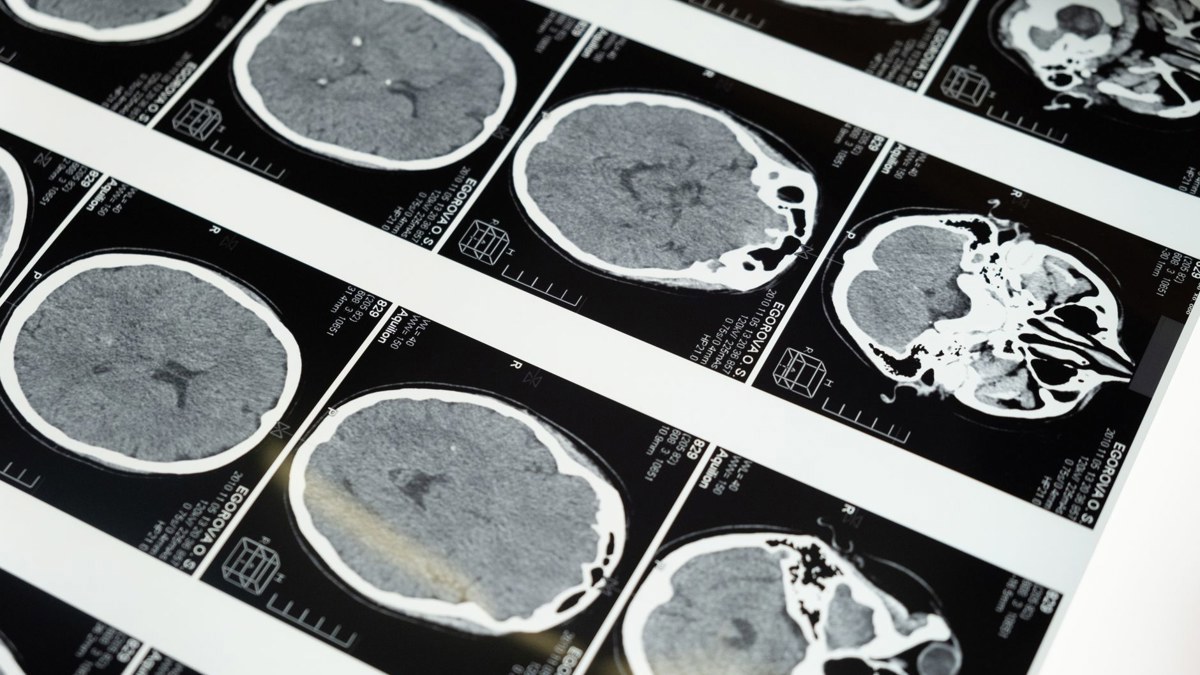
Cover photo by Google DeepMind on Pexels, used under the Pexels License.






Comments (0)
Leave a Comment